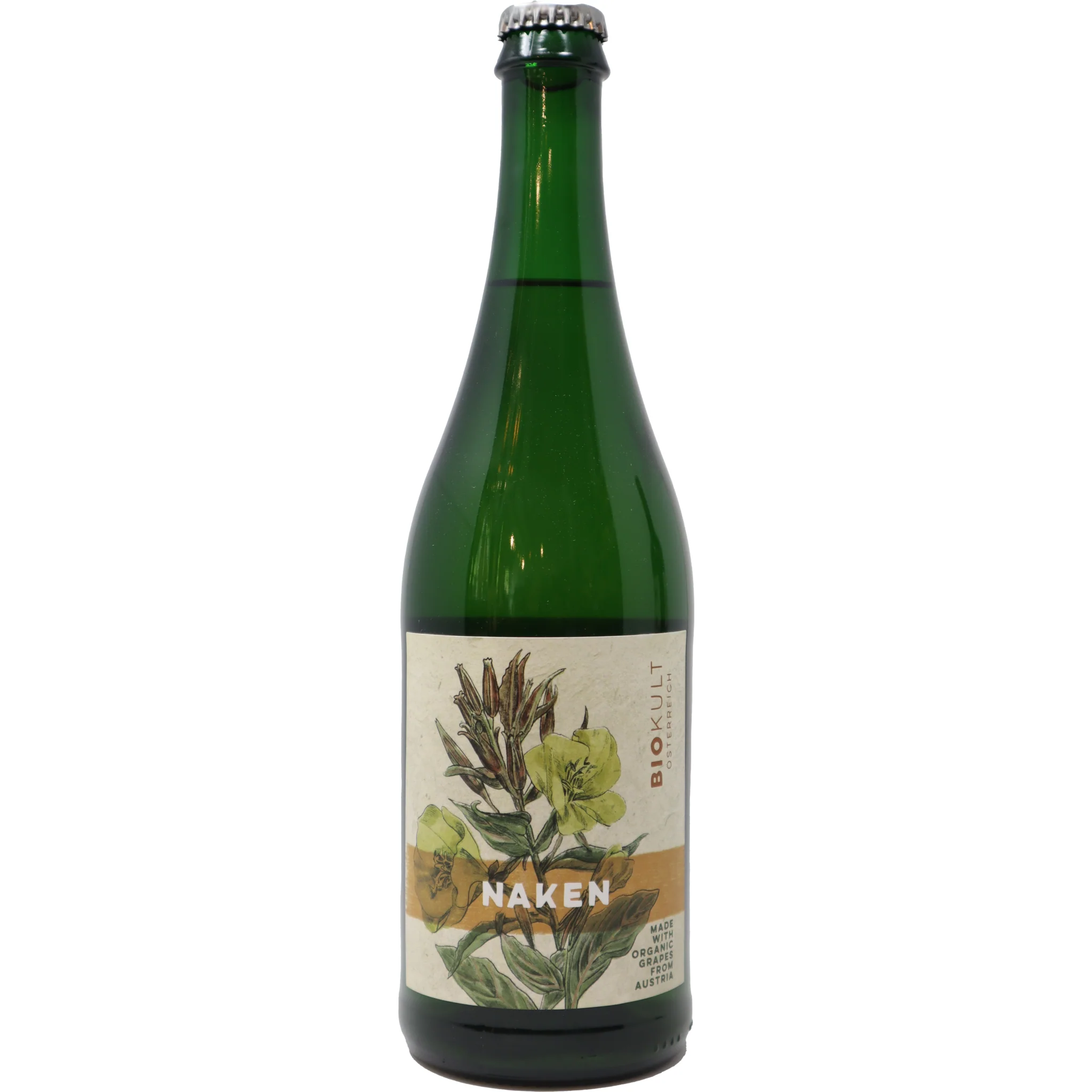

2019 Bründlmayer Pinot Noir Reserve, Langenlois, Kamptal, Austria
ABOUT THIS WINE
This Blauburgunder was made with the ripest Pinot Noir grapes, especially from the top vineyards Dechant and Käferberg.
The Dechant vineyard site is comprised of calcareous loess-clay soil terraces on the south-east slope. On the higher terraces is the clay with ancient rock and gravel deposits. Usually strict selection is necessary in wet vintages in order to obtain first-class grapes.
The Käferberg vineyard site is located at the upper end of an eastern slope at about 300 metres above sea level – in the north of the town of Langenlois. Preserved calcareous, clayey marine deposits are found there. This soil is similar to that of the famous Château Petrus in Pomerol, and produces an extremely dense wine. The top layer is partly of sand and partly of primary rock.
The wine matured predominantly in 300 liters Austrian oak casks (1st and 2nd fillings) for 18 months. Assemblage is made from selected barrels according to the prospective aging potential of their content. With appropriate cellaring this wine should keep another decade or longer.
ABOUT THIS PRODUCER
Bründlmayer is one of Austria’s most highly regarded wineries, known for its exceptional wines that beautifully express the terroir of the Kamptal region in Lower Austria. Founded by Willi Bründlmayer in the early 1980s, the winery has since earned international acclaim for its commitment to producing top-quality wines across a variety of grape varieties, including Grüner Veltliner, Riesling, and Blaufränkisch.
Willi Bründlmayer is regarded as one of Austria's top winemakers, and his influence has been key to the winery’s success. He is known for his meticulous attention to detail in both the vineyard and the cellar, often applying traditional techniques alongside modern winemaking innovations.
The winery follows a sustainable farming approach, practicing minimal intervention in the vineyard to let the natural characteristics of the grapes and terroir shine through in the wines. This includes using organic fertilizers, avoiding synthetic pesticides, and hand-harvesting the grapes when possible.
Product Information
Product Information
Shipping & Returns
Shipping & Returns
Description
ABOUT THIS WINE
This Blauburgunder was made with the ripest Pinot Noir grapes, especially from the top vineyards Dechant and Käferberg.
The Dechant vineyard site is comprised of calcareous loess-clay soil terraces on the south-east slope. On the higher terraces is the clay with ancient rock and gravel deposits. Usually strict selection is necessary in wet vintages in order to obtain first-class grapes.
The Käferberg vineyard site is located at the upper end of an eastern slope at about 300 metres above sea level – in the north of the town of Langenlois. Preserved calcareous, clayey marine deposits are found there. This soil is similar to that of the famous Château Petrus in Pomerol, and produces an extremely dense wine. The top layer is partly of sand and partly of primary rock.
The wine matured predominantly in 300 liters Austrian oak casks (1st and 2nd fillings) for 18 months. Assemblage is made from selected barrels according to the prospective aging potential of their content. With appropriate cellaring this wine should keep another decade or longer.
ABOUT THIS PRODUCER
Bründlmayer is one of Austria’s most highly regarded wineries, known for its exceptional wines that beautifully express the terroir of the Kamptal region in Lower Austria. Founded by Willi Bründlmayer in the early 1980s, the winery has since earned international acclaim for its commitment to producing top-quality wines across a variety of grape varieties, including Grüner Veltliner, Riesling, and Blaufränkisch.
Willi Bründlmayer is regarded as one of Austria's top winemakers, and his influence has been key to the winery’s success. He is known for his meticulous attention to detail in both the vineyard and the cellar, often applying traditional techniques alongside modern winemaking innovations.
The winery follows a sustainable farming approach, practicing minimal intervention in the vineyard to let the natural characteristics of the grapes and terroir shine through in the wines. This includes using organic fertilizers, avoiding synthetic pesticides, and hand-harvesting the grapes when possible.